
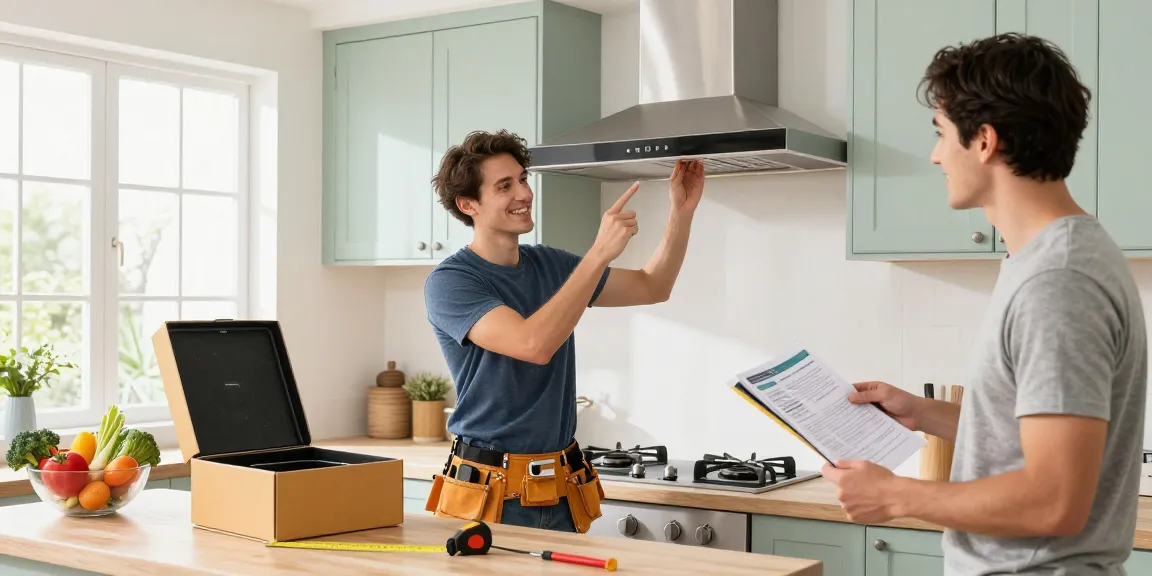
Understanding Exhaust Hood Installation
Installing an exhaust hood is an essential task for any functional kitchen, whether in a commercial setting or a cozy home. It not only aids in efficiently ventilating cooking fumes but also plays a critical role in maintaining air quality. For those considering exhaust hood installation, understanding the process and components involved is crucial for a successful setup. This comprehensive guide will walk you through every step, from selecting the right hood to post-installation maintenance.
What is an Exhaust Hood and Why Do You Need One?
An exhaust hood, often referred to as a range hood or vent hood, is a kitchen appliance installed above cooking surfaces to eliminate smoke, odors, steam, and heat. Without a properly functioning hood, cooking can lead to excessive moisture and grease buildup, resulting in a less pleasant cooking environment and potential damage to surrounding fixtures.
Moreover, exhaust hoods improve indoor air quality by effectively venting out harmful gases and particulates produced during cooking. This is especially important in commercial kitchens, where the volume of cooking is significantly higher. By investing in an exhaust hood, you’re not just enhancing your kitchen’s functionality; you’re also safeguarding the health of those who use it.
Key Components of Exhaust Hood Systems
- Fan or Blower: The heart of the exhaust hood, responsible for drawing in air and expelling it outside.
- Filters: Typically made of metal or charcoal; they trap grease and odors to ensure cleaner air is vented back into the kitchen.
- Ductwork: Connects the hood to the exterior vent. Proper duct size and layout are critical for effective ventilation.
- Controls: Allow users to adjust fan speeds and lighting. Some models even feature smart technology for remote control.
Common Misconceptions about Exhaust Hood Installation
Many homeowners believe that exhaust hood installation is straightforward and can be accomplished without professional help; however, this can lead to inadequate ventilation or potential safety hazards if not done correctly. Another misconception is that all hoods are alike; in reality, they vary significantly in terms of power, design, and suitability for different kitchens. Understanding these nuances is vital before undertaking an installation.
Preparation for Installation
Choosing the Right Exhaust Hood for Your Kitchen
Selecting the right exhaust hood is pivotal. Factors include the type of cooking you do, the layout of your kitchen, and your specific aesthetic preferences. For instance, a commercial kitchen may require a more robust ventilation system compared to a home kitchen. Additionally, consider the style: under-cabinet hoods are popular for minimalistic kitchens, while wall-mounted options add a statement piece to the decor.
Tools and Materials Needed for Installation
- Drill and drill bits
- Stud finder
- Level
- Screwdriver
- Measuring tape
- Duct tape and ductwork
- Wire connectors
Having the right tools is essential for a smooth installation process. Before you begin, ensure all materials are on hand to avoid interruptions during installation.
Assessing Your Kitchen Space for Proper Fit
Before installation, assess your kitchen layout to determine the best placement for the hood. The hood should be mounted at an appropriate height above the cooking surface, typically 24 to 30 inches, to effectively collect rising heat and steam without obstructing your view. Measure carefully to ensure that both the hood and ductwork will fit seamlessly into your kitchen design.
Step-by-Step Exhaust Hood Installation Process
Preparing the Area for Installation
Begin by turning off power to the area where the hood will be installed. Clear the installation space of any items and ensure there is sufficient ventilation. This step is critical to prevent accidents during installation and to maintain a safe working environment.
Installing the Ductwork and Ventilation
Once the area is prepared, start by installing the ductwork. This involves cutting a hole in the wall or ceiling for the duct to exit the building. Ensure the duct is properly sealed to prevent air leaks. The ducting should follow a straight path as much as possible, as bends can reduce efficiency.
Connecting Electrical Components Safely
Following the manufacturer’s instructions, connect the hood’s electrical components. If you are not comfortable with electrical work, it’s advisable to hire a licensed electrician to ensure safety and compliance with local codes. Double-check your connections before restoring power to the area.
Post-Installation Best Practices
How to Test Your Exhaust Hood for Efficiency
After installation, it’s important to test the exhaust hood. Turn on the fan and observe its operation. If you feel a strong airflow coming from the vent, your installation is successful. Additionally, listen for unusual sounds which might indicate an installation issue.
Routine Maintenance for Optimal Performance
Regular maintenance is crucial for keeping your exhaust hood functioning efficiently. Clean the filters at least once a month to prevent grease buildup, which can hinder performance and create fire hazards. Depending on usage, consider hiring a professional deep clean annually.
Common Problems and Troubleshooting Tips
Should your exhaust hood fail to operate correctly, first check the power supply and ensure that the fan is unobstructed. If there’s still an issue, consult the manufacturer’s manual for troubleshooting tips. Sometimes, resetting the unit can resolve minor glitches.
Future Trends in Exhaust Hood Technology
Smart Exhaust Hoods: What to Expect in 2026
As technology evolves, so do exhaust hood systems. Smart exhaust hoods equipped with sensors can automatically adjust fan speeds based on cooking activities, optimizing energy efficiency. Additionally, integration with home automation systems will allow users to control their hoods remotely via smartphones or smart home devices.
Energy Efficiency and Sustainability in Kitchen Ventilation
With growing concerns about sustainability, new models are being designed with energy-efficient components. Look for hoods that are ENERGY STAR rated, consuming less power while maintaining superior performance. Incorporating these appliances into your kitchen can significantly reduce energy consumption.
The Impact of Design Trends on Exhaust Hood Selection
Design trends are also shaping the future of exhaust hoods. Customization options are increasing, with homeowners seeking hoods that match their kitchen’s decor. Whether you prefer a sleek stainless steel finish or a bold colored hood, the market is expanding to meet diverse aesthetic preferences.
What is the cost of professional installation?
While DIY installation can save money, hiring professionals ensures optimal placement and safety. The cost of professional installation typically ranges from $400 to $1,500, depending on the complexity of the hood and existing infrastructure. Investing in professional services can provide peace of mind and superior performance.
Can I install a vent hood myself?
Homeowners with basic handyman skills can certainly tackle exhaust hood installation themselves. However, it’s crucial to have a clear understanding of the process and consult resources or professionals when in doubt. Safety should always be your top priority.
How to install a range hood vent through a wall?
Installing a range hood vent through a wall involves measuring and cutting the appropriate-sized hole, installing ductwork, and securely attaching the hood itself. It’s essential to follow the hood manufacturer’s guidelines for the best results, ensuring a safe and effective installation.
What are the different types of exhaust hoods?
Exhaust hoods come in various types, including wall-mounted, under-cabinet, island, and downdraft hoods. Each type serves different kitchen layouts and cooking styles. Understanding the differences can help you choose the best option for your space.
Do I need a special permit for exhaust hood installation?
Permit requirements vary by location. Check with your local building authority to determine if permits are necessary for your installation. Typically, commercial installations require more stringent regulations compared to residential setups.


